The Architecture of Family Capital.

Who we work with
The founder
The family has moved, the capital has not.
The business and most of the capital are still at home. The family already lives in another country. Rules for the family and for access to the capital have not been written down.
The second generation
A diversified portfolio.
Assets and family members are spread across several countries. The branches have different interests and no shared policy on investment, distribution and roles.
The next generation
Making their own decisions.
Grew up or studied abroad, already holds part of the capital, and has no defined role in decisions.
What stays with UMFO, and what goes to a provider
A question is ours when it touches the family, the money and the values at the same time. Who takes over the business, and whether it should be handed over at all. What the capital is for once the company is sold. Whether an heir receives a share without a role. How much the family keeps at home if it is not going back. No single adviser owns these questions, so families carry them for years.
When a question touches two of the three, it has its specialist. A lawyer, a banker, a tax adviser, a school. We don’t do their work. We keep a registry of providers in the cities where our families live and hand those questions over.
UMFO runs no concierge service. The family’s own people and the providers from the registry take care of the routine.
How our work is built
01 — Jurisdictions
Working across jurisdictions
Families with capital almost always live in several countries at once. Assets, residencies, businesses, and education are spread across several jurisdictions, each playing its own role in the life of the family.
Each of these countries runs on its own law, its own tax logic, its own risks. Each one has its own specialists: a corporate lawyer, a tax adviser, a private banker, an accountant. Each of them sees one part. None of them holds the whole picture.
Our job is to build the frame in which these advisers work together rather than in parallel. We don’t replace the family’s advisers. We give them one picture to work from. We hold the axis on which their advice aligns and stops contradicting itself.
02 — Generations
The generational transition
The handover of capital and roles to the next generation is something families with capital are doing for the first time in their history. The capital of these families is young: first-generation founders are still in full strength, and they already see the limits of what they can manage by hand.
Preparing for the transition does not come down to a will, and it does not come down to restructuring assets. It is the work of family governance, of educating the next generation, of setting the rules for entering the business, of clarifying roles and expectations. It cannot be compressed into a six-month engagement.
So we treat the transition not as a single event but as an episode in a long body of work. If the family has spent years in the same frame of capital, the handover becomes the continuation of that work, not the point at which the structure has to be assembled in a rush.
03 — The beginning
How the work begins
With a Diagnostic of the family. Six weeks of structured work across eleven areas. The output is a package of documents that stays with the family: a framing note, a first version of the investment policy, a stress protocol, and a list of priorities for a three-to-five year horizon.
Fees are discussed during the introductory conversation. They depend on the shape of the capital and on how many members of the family will be part of the work.
Team
UMFO was founded by three partners with institutional backgrounds in family office practice, investment advisory, corporate law, and impact consulting.
The partners moved their own capital and families across borders before they started working with other families’ decisions.
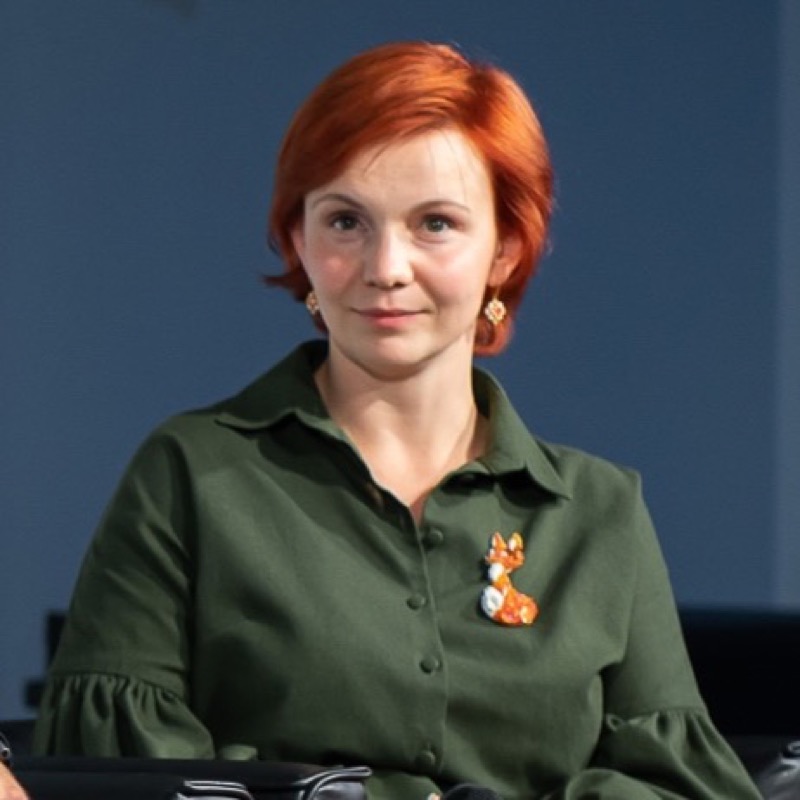
Tetiana Honcharenko
Business Advisory Partner at Crowe Mikhailenko and founder of Paragraf. Previously CEO and co-founder of Founders League. Author of a book series on endowment funds. Co-founder of Protopia Garden. Strategy, investments, longevity, jurisdictions.
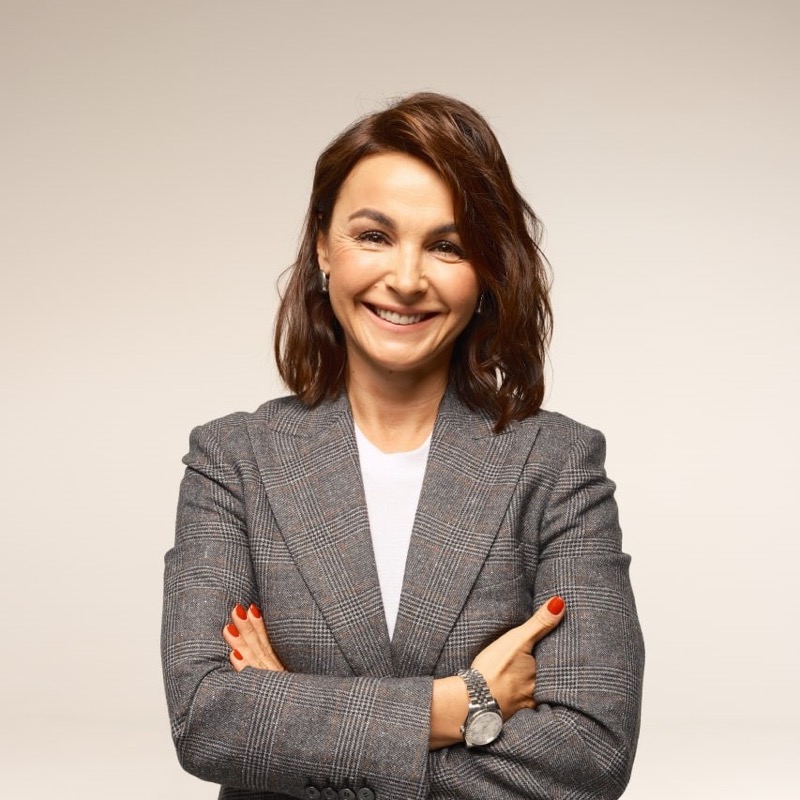
Oleksandra Nikitina
Partner and attorney-at-law at ECOVIS Bondar & Bondar with 20+ years of practice in corporate, antitrust, and international tax law. Founder of BEPS.space, a Ukrainian online school of tax law. Recognised by Who’s Who Legal, Best Lawyers, and Legal 500 EMEA.
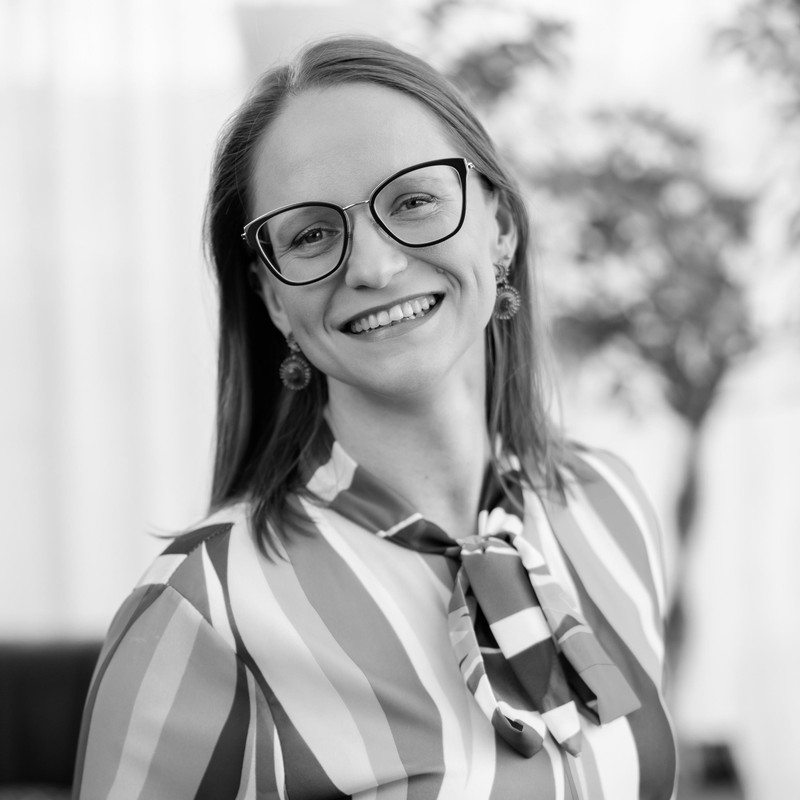
Oksana Guliaieva
Managing Partner at Dovgiy Family Office. Strategy and revitalisation of family assets, governance, team building. Combines a background in psychology with leadership skills and a management approach.
The first step: an introductory conversation
Thirty minutes with one of the partners. We look together at whether your family’s task and our expertise are a fit. If they are, we move into the Diagnostic. If they are not, we say so plainly, and if we can point you to someone better suited, we do.
Introductory conversationIf you would like to look at the frame on your own first, download the UMFO AI assistant for Claude or ChatGPT.